Chances are your customers vary greatly from each other. Not just in terms of the work they do or products they make. They likely have different habits, attitudes, strengths and challenges that have developed over time.
Working as a consultant provides the opportunity to see inside a range of businesses and get a feel for how they work. I get to hear how they talk to each other, the ways they interact and also how they speak about their customers.
Some organisations are generous, patient, long-term focussed and deliberately methodical. Others are driven by quick wins, short term priorities, instinct, perseverance and survival. Some invest significantly in their products and people to reach new heights, while others focus on protecting what they’ve got and making the most of things as they are.
It’s probably not fair to say that one organisation is “better” than another. They respond the best way they know to the situation around them with the resources they have (or can get). Over time, their situation and their pattern of responding influences their culture – “the way we do things around here”.
While organisations can vary greatly from each other in a lot of ways, in my experience one thing about them is reasonably consistent. If they’re good to their staff, they’re generally good to their vendors and customers. Those who are mean and cheap with their own people often treat external partners the same way.
Organisations that are big-hearted, fair and transparent about wanting great outcomes for their employees are mostly the same with their suppliers and customers. Companies that cut corners, bend the rules, find ways to avoid commitments and take unfair advantage in the marketplace are normally the same internally (which is why I don’t work with them).
The link between business culture and results isn’t something I really understood until I read Michael Henderson’s book “Above the line”. Yet another book I wish I’d read years earlier.
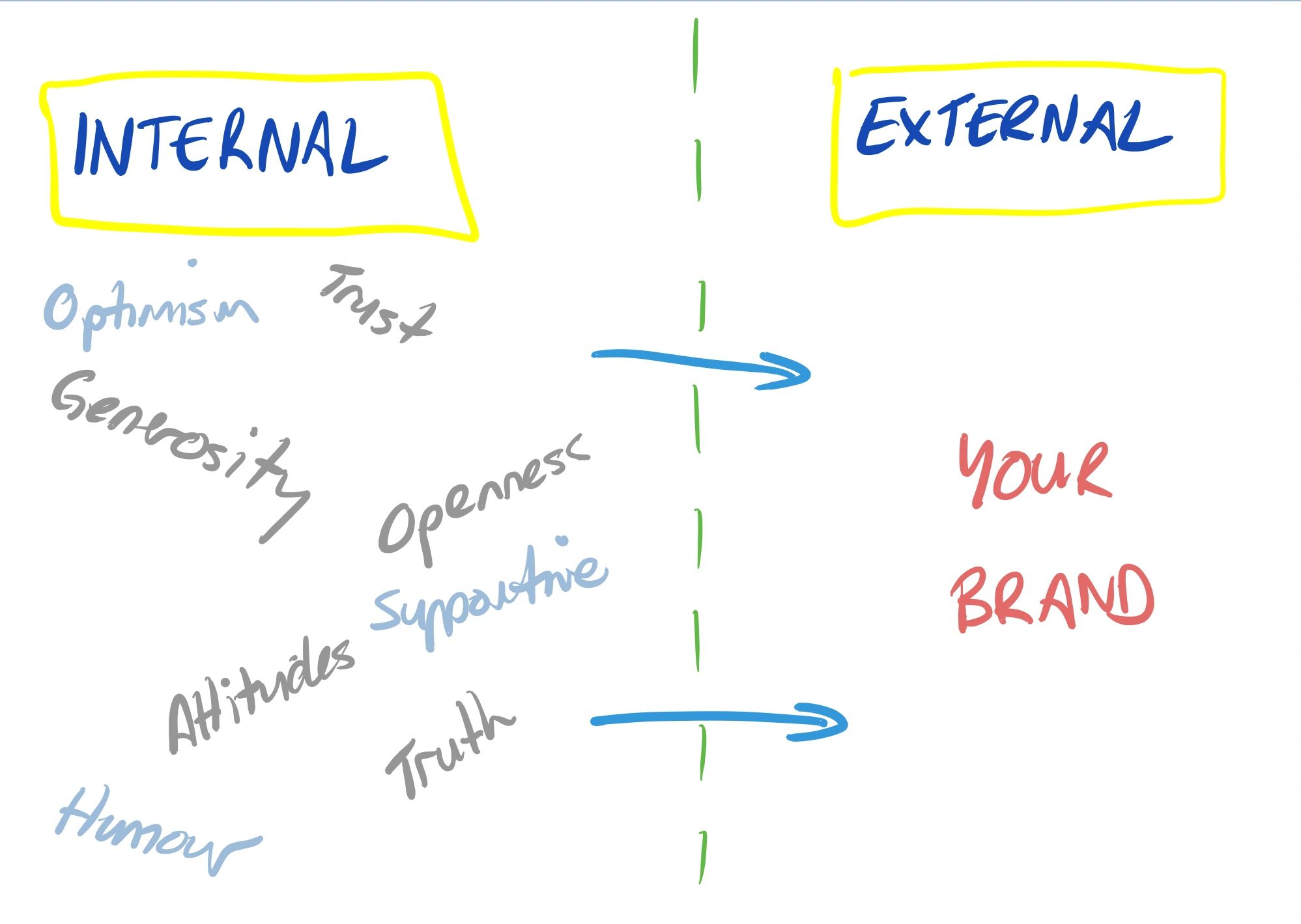
The choices you and your team make build an internal culture that eventually make its way outside to become your brand. The culture you build and allow on the inside of your business, will sooner or later be what your customers see on the outside. It’s almost impossible to be stingy and conservative internally, while projecting a generous and progressive brand to the market.
If you asked your customers to compare you or your organisation to an airline, would you like them to think of you as Qantas or Tiger? Both have their place in the market, but they attract different customers with different expectations of price, experience and generosity.
If you want customers who will spend more because they recognise the value in doing so, what can you do internally to make sure they perceive you as the valuable partner you want to be? How can you act differently so that customers come to think of you as givers rather than takers?
There are so many ways to build a better internal culture and most of them are free. Michael’s book is a great place to start.

 STRATEGY CAPABILITY COACHING