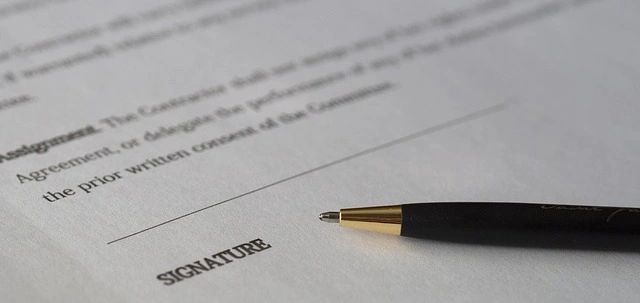
What are your customer agreements saying about what it will be like to do business with you?
Perhaps you think they’re saying “this is going to be great, we’re going to work well together, but here’s a few things we should agree on before we start”.
Or maybe your words come across more like “you really need to be certain that this is worth it, because we’re locking in all our benefits but taking almost none of the risk. It’s all on you if you go ahead”.
Proper agreements matter and you should protect yourself from unanticipated risk, fraud and clients who want to take advantage. That doesn’t mean they have to scare people away instead off inviting them in.
It’s been interesting to see the way giants like Google and Facebook simplified their customer agreements over the years and make them more human. Apple is still working on it.
This could be a good time to look at the way you describe the terms and conditions of doing business with you. How much of the agreement describes your intentions to do good business together for mutual benefit? When they read your words, are you expecting them to feel excited, enlightened and confident, or will the fine print make them fearful, suspicious and reluctant?
If your agreement seems to be significantly one sided, the sales proposal that it accompanies better paint a story of exceptional value to balance the scales.

 STRATEGY CAPABILITY COACHING