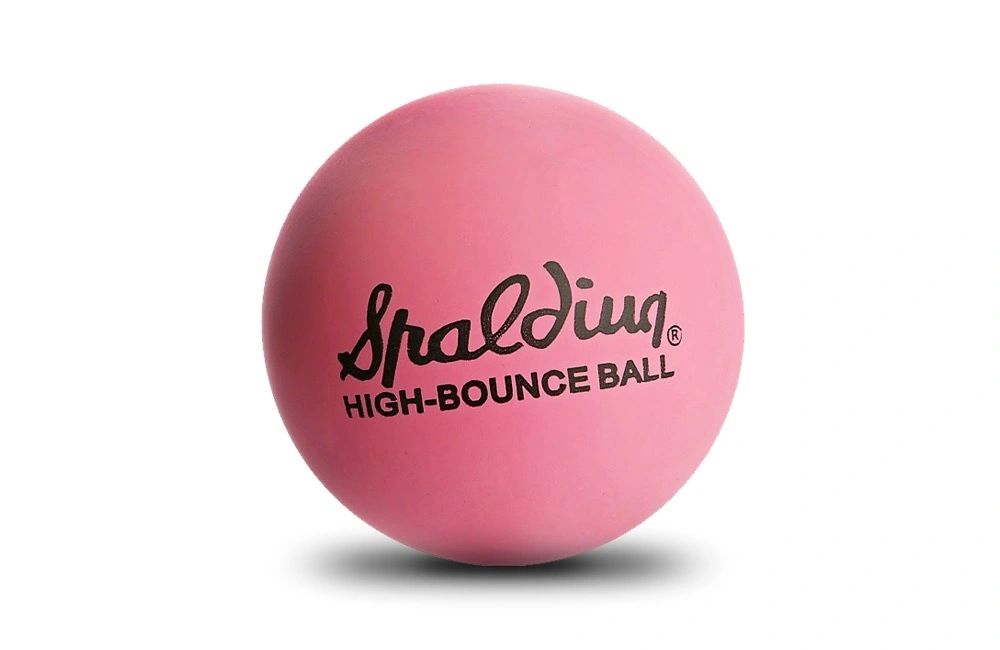
As a rubber ball falls towards the floor it accelerates, building momentum. When it hits the floor it changes shape for a short time, but wants to go back to its original form so it bounces up off the floor.
It is the elasticity of the ball that helps it bounce back after the fall. The opposite of elasticity is rigidity. Rubber balls bounce when they hit hard ground, but glass balls smash.
If you feel like business is heading towards the floor, you can choose to be elastic or rigid. In the last week I’ve seen and heard about some wonderful elastic reactions, and a few cases of unnecessary rigidity. I know I’m going to remember both.
Our decisions now (with staff, customers, suppliers, partners and neighbours) could be elastic or rigid. When you’re falling, instincts may be to harden up, resist and defend. Elasticity could mean bending the rules, overlooking policies, making exceptions or just being generous where you can afford to.
You may not have any control over the fall, but how well you bounce back has a lot to do with how willing you are to be elastic when it matters. As with anything, it’s about finding balance between the two extremes of liquid and rigid. A ball of jelly doesn’t really bounce any better than a ball of glass. They both end up in a mess.

 STRATEGY CAPABILITY COACHING